Yo, what’s up? I’m a supplier of plastic circuit breaker boxes. Over the years, I’ve seen and heard a whole bunch of issues customers faced with these boxes. So, I thought I’d share some common problems that you might come across. Plastic Circuit Breaker Box

Durability Issues
One of the big headaches with plastic circuit breaker boxes is durability. Plastic, as we all know, isn’t as tough as metal. It can easily get damaged when it’s exposed to harsh conditions.
For example, sunlight is a real enemy of plastic. UV rays can make the plastic brittle over time. If the circuit breaker box is installed outdoors, it’s constantly bombarded by the sun. You might start to notice small cracks forming on the box surface. And once those cracks appear, moisture can seep in. This moisture can mess up the electrical components inside the box, leading to short – circuits or even electrical fires.
Another thing that affects durability is temperature. Extreme heat can make plastic expand, and extreme cold can cause it to contract. This expansion and contraction can lead to warping of the box. If the box warps, the fit of the circuit breakers might be compromised. They might not sit properly, which can disrupt the electrical flow and cause malfunctions.
Flammability Concerns
Plastic is generally more flammable compared to materials like metal. In an electrical system, there’s always a risk of arcing or overheating. If the heat generated inside the circuit breaker box reaches a certain level, the plastic can catch fire.
Some cheaper plastic circuit breaker boxes are made from low – grade plastics that don’t have good fire – retardant properties. When a fire breaks out inside the box, it can spread quickly, endangering the entire electrical system and the building it’s installed in. This is a huge safety hazard, and it’s definitely something you should be worried about when choosing a plastic circuit breaker box.
Inadequate Ventilation
Good ventilation is crucial for a circuit breaker box. Electrical components generate heat when they’re in use, and if that heat can’t escape, the temperature inside the box will keep rising.
Plastic circuit breaker boxes sometimes have poor ventilation designs. The ventilation holes might be too small or too few. As a result, the heat gets trapped inside. High temperatures can reduce the lifespan of the circuit breakers and other electrical parts. It can also cause the insulation on the wires to degrade faster, increasing the risk of electrical shorts.
Chemical Resistance
In some industrial settings or areas with harsh chemical environments, plastic circuit breaker boxes might not hold up well. Chemicals in the air or on surfaces can react with the plastic.
For instance, acidic fumes can corrode the plastic. This corrosion can weaken the box structure, making it more prone to damage. It can also break down the protective coating on the plastic, leaving the electrical components inside vulnerable to the chemical environment. If the chemicals reach the electrical parts, it can cause rusting, short – circuits, and other electrical problems.
Impact Resistance
Plastic circuit breaker boxes are not as impact – resistant as their metal counterparts. A minor bump or a tool accidentally hitting the box can cause damage.
In a construction site or a busy workshop, there’s always a chance of something hitting the circuit breaker box. If the box gets damaged, it can expose the electrical components inside. This not only poses a safety risk to people nearby but can also lead to electrical failures in the system. Even a small crack in the plastic can compromise the integrity of the box, allowing dust and moisture to get in.
Installation Difficulties
Sometimes, the design of plastic circuit breaker boxes can make installation a pain in the neck. The mounting holes might not line up properly with the wall or the panel where it’s supposed to be installed. This can make it really hard to secure the box in place.
Also, the tabs and clips used to hold the circuit breakers in the box might be too flimsy. They can break easily during the installation process, which means the circuit breakers won’t be held firmly. An unstable circuit breaker can cause problems with the electrical connection, leading to intermittent power outages or other electrical issues.
Compatibility Issues
Another problem is compatibility. Some plastic circuit breaker boxes might not be compatible with all types of circuit breakers. You might buy a box thinking it will fit the specific breakers you have, but then find out that they don’t work together.
This can be super frustrating because you either have to buy new circuit breakers or a different box. And it can also be costly. The manufacturer might claim that the box is compatible with a wide range of breakers, but in reality, there can be some issues due to slight differences in dimensions or electrical ratings.
Moisture Infiltration
Even if a plastic circuit breaker box seems sealed, moisture can still find its way in. As I mentioned earlier, cracks in the plastic or poor sealing around the edges can allow water to enter.
Moisture can cause all sorts of problems. It can corrode the metal parts inside the box, such as the contacts of the circuit breakers. This corrosion can lead to poor electrical conductivity, which means the breakers might not trip when they’re supposed to. In wet conditions, there’s also a risk of electrical shock if someone accidentally touches the exposed parts of the electrical system.
Aging and Degradation
As plastic circuit breaker boxes age, they start to degrade. The plastic becomes weaker, and its physical properties change. This degradation can be accelerated by factors like sunlight, heat, and chemicals.
Older plastic boxes might look fine on the outside, but their internal structure might be compromised. The mechanical strength of the box can decrease, making it more likely to break or crack. The electrical insulation provided by the plastic might also degrade, increasing the risk of electrical problems.
Solutions
Now, I know it sounds like plastic circuit breaker boxes are all bad news, but that’s not entirely true. There are solutions to these problems.
When it comes to durability, you can choose a high – quality plastic circuit breaker box that’s made from UV – resistant and temperature – stable plastics. Look for boxes that are certified to meet certain industry standards for durability.
For flammability concerns, opt for boxes that are made from fire – retardant plastics. These plastics are designed to self – extinguish when they catch fire, reducing the risk of a major fire.
To improve ventilation, you can install additional ventilation fans or choose a box with a better ventilation design. Make sure the installation location allows for good air circulation around the box.
If you’re in a chemical – rich environment, select a plastic circuit breaker box with good chemical resistance. There are special coatings and materials available that can protect the box from chemical corrosion.
To deal with impact resistance, you can install protective enclosures around the plastic circuit breaker box. This can prevent accidental damage from tools or other objects.
For installation difficulties, carefully measure and plan the installation before you start. And if possible, choose a box that has clear installation instructions and user – friendly features.
When it comes to compatibility, always double – check the specifications of the box and the circuit breakers before you make a purchase. If you’re unsure, consult with a professional electrician.
To prevent moisture infiltration, regularly inspect the box for cracks and seal any openings with a suitable sealant. You can also install a dehumidifier inside the box if it’s in a very humid environment.
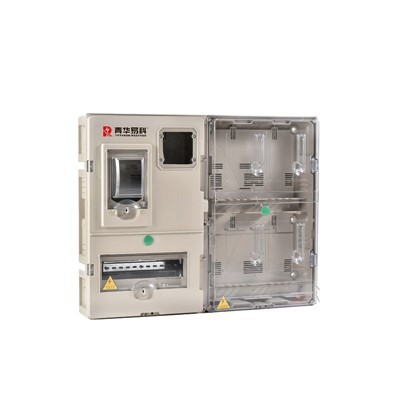
If you’re worried about aging and degradation, replace the plastic circuit breaker box at regular intervals. Keep an eye on the condition of the box and its performance over time.
Circuit Breaker Box If you’re dealing with any of these problems or if you’re looking to buy a reliable plastic circuit breaker box, don’t hesitate to reach out to me. We’ve got a wide range of products that are designed to address these common issues. Contact me for a purchase negotiation, and we can find the perfect solution for your needs.
References
- Electrical Safety Handbook – A Guide to Electrical Installation and Maintenance
- Plastic Materials and Their Properties in Electrical Applications
Shandong Qinghua Yike Electric Co., Ltd.
As one of the most experienced plastic circuit breaker box manufacturers in China, we also support customized service. We warmly welcome you to buy durable plastic circuit breaker box for sale here from our factory. If you have any enquiry about cooperation, please feel free to email us.
Address: No. 378 Taozhuang Village, Zaoyuan Town, Lanshan District, Linyi City, Shandong Province
E-mail: admin@sd-qhyk.com
WebSite: https://www.qhecobox.com/
