Hey there! I’m a supplier of dithiocarbamate collectors, and I often get asked if these bad boys can be used in combination with other collectors. Well, let’s dig into this topic and see what we can find out. Dithiocarbamate Collectors
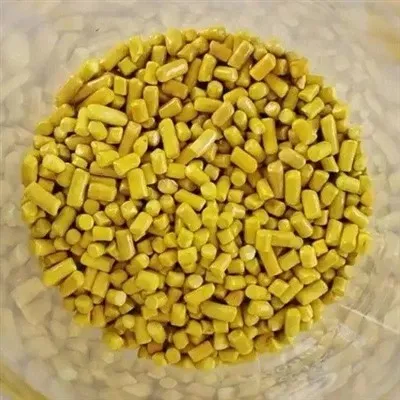
First off, let’s talk a bit about dithiocarbamate collectors. These are some pretty powerful chemical compounds that are widely used in the mining industry. They work by selectively binding to certain metal ions, helping to separate valuable minerals from the rest of the ore. They’re known for their high selectivity and efficiency, which is why they’re so popular among miners and mineral processors.
Now, the question is, can they be used with other collectors? The short answer is yes, they can. In fact, using dithiocarbamate collectors in combination with other types of collectors can often lead to better results. There are a few reasons for this.
One of the main reasons is that different collectors have different properties and affinities for various minerals. By combining them, we can target a wider range of minerals in the ore. For example, some collectors might be really good at capturing copper minerals, while others work better for lead or zinc. By using a combination of dithiocarbamate collectors and other suitable collectors, we can potentially increase the overall recovery rate of valuable minerals.
Another benefit of using a combination of collectors is that it can improve the selectivity of the flotation process. Flotation is the method used to separate minerals from the ore by making them float to the surface. Selectivity is crucial here because we only want the valuable minerals to float, not the unwanted gangue materials. Different collectors interact with the minerals and the gangue in different ways. When we use a combination, we can fine – tune the flotation process so that we get a higher purity concentrate.
Let’s look at some specific examples of other collectors that can be used with dithiocarbamate collectors. Xanthates are a common type of collector in the mining industry. They’re also used to capture metal sulfide minerals. When used with dithiocarbamate collectors, they can have a synergistic effect. In some cases, the combination can enhance the adsorption of the collectors onto the mineral surfaces, leading to better flotation performance.
Fatty acids are another option. These are often used for the flotation of oxide minerals. If the ore contains both sulfide and oxide minerals, using a combination of dithiocarbamate collectors (for sulfides) and fatty acids (for oxides) can provide a more comprehensive solution for mineral separation.
However, it’s not all sunshine and rainbows when it comes to combining collectors. There are some challenges that we need to be aware of. One of the main challenges is that different collectors can interact with each other in unexpected ways. For example, they might compete for the same adsorption sites on the mineral surfaces. This can reduce the efficiency of both collectors and result in a lower recovery rate.
Another challenge is that the combination of collectors can be more complex to optimize. The flotation process has many variables, such as pH, temperature, and the concentration of each collector. When using multiple collectors, the number of variables increases, and it can be more difficult to find the optimal operating conditions.
To overcome these challenges, it’s important to do some thorough testing. Before implementing a combination of collectors in a large – scale operation, it’s a good idea to conduct laboratory tests. These tests can help us understand how the different collectors interact with each other and with the specific ore. We can also use these tests to optimize the process parameters, such as the ratio of the different collectors and the pH of the flotation pulp.
In my experience as a supplier of dithiocarbamate collectors, I’ve seen many successful applications of combined collectors. A mining company was having trouble getting a high recovery rate of a particular copper – zinc ore. After some testing, we recommended a combination of our dithiocarbamate collectors and a certain type of xanthate. By carefully adjusting the process parameters, they were able to significantly increase the recovery rate of both copper and zinc.
So, to sum it all up, dithiocarbamate collectors can definitely be used in combination with other collectors. It can offer many benefits, such as increased recovery rates and better selectivity. But it also comes with some challenges that need to be addressed through proper testing and optimization.
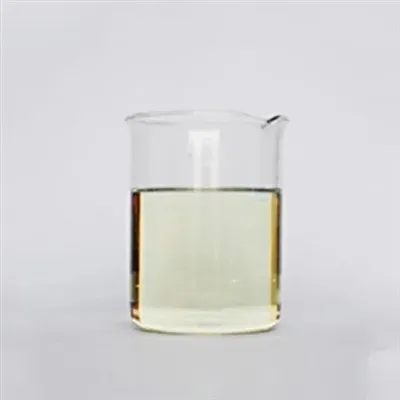
If you’re in the mining or mineral processing industry and are interested in exploring the use of dithiocarbamate collectors, either on their own or in combination with other collectors, I’d love to have a chat with you. We can discuss your specific needs, the type of ore you’re working with, and how we can help you achieve the best results. Don’t hesitate to reach out for a procurement discussion.
Dithiophosphate References:
- Smith, J. "Mineral Flotation: Principles and Practice". Mining Press, 2018.
- Johnson, A. "Advances in Collector Technology". Journal of Mining Science, 2020.
- Brown, C. "Combined Collector Systems for Mineral Separation". International Journal of Mineral Processing, 2019.
Bitop Bihope Qingdao Mining Co., Ltd
Bitop Bihope Qingdao Mining Co., Ltd. is one of the most professional sulfur and nitrogen manufacturers and suppliers in China, featured by quality products and low price. Please rest assured to buy discount sulfur and nitrogen in stock here and get quotation from our factory. Customized orders are welcome.
Address: Room 410, 4th Floor, Shengquan Business Building, No. 263 Yitong Road, Huangdao District, Qingdao City, Shandong Province, China
E-mail: btbhmining@163.com
WebSite: https://www.btbhmining.com/
