If you’ve ever crunched into a perfectly crispy potato chip, bitten through a light and flaky pretzel, or broken open a bag of evenly cooled, melt-in-your-mouth chocolate-covered snack bars, you’ve experienced the unsung hero of snack food production: the cooling system. As a snack food production line supplier who’s spent 12 years designing, installing, and troubleshooting cooling systems for bakeries, chip plants, and confectioneries across North America, I’ve seen firsthand how a bad cooling setup can turn a perfectly cooked batch of product into a sticky, soggy, or even spoiled mess. I’ve also seen how the right cooling system can cut production time by 30%, reduce waste by 15%, and extend shelf life by months—all while keeping quality consistent, batch after batch. Snack Food Production Line

Cooling isn’t just about lowering a product’s temperature, either. For most snack foods, the ideal end temperature post-cooling is between 22°C and 27°C (72°F and 81°F) with a moisture content that’s stable and low enough to prevent microbial growth and texture changes. Too slow a cool and you end up with product that clumps together, loses crispiness, or grows mold before it even reaches packaging. Too fast a cool and you risk thermal shock—think of a hot chocolate bar cracking when exposed to cold air—or uneven texture that makes the snack feel unappetizing. Over the years, the cooling tools we use on our lines have evolved dramatically, from simple forced-air tunnels to precision-controlled hydrocoolers, each tailored to the unique needs of different snack types. Let’s break down the most common systems we integrate into our production lines, how they work, and where they shine.
First up, the workhorse of most savory and crispy snack lines: forced-air cooling tunnels. This is the system I install most often for potato chips, tortilla chips, popcorn, and extruded snacks like cheese puffs or pretzel sticks. The premise is straightforward: after a product comes out of a fryer, oven, or extruder at temperatures up to 180°C (356°F), it travels on a mesh conveyor belt through an insulated tunnel, while high-velocity, temperature-controlled air is blown across it from multiple directions. The mesh belt is key here—it lets air circulate evenly from below too, preventing hot product trapped under a layer from staying warm and developing soft spots.
What makes forced-air tunnels so effective for crispy snacks is their ability to remove surface moisture quickly without altering the product’s texture. For example, when a batch of kettle-cooked chips leaves a fryer at 165°C (329°F), their surface is covered in hot oil and residual moisture. A forced-air tunnel set to 10°C to 15°C (50°F to 59°F) blows air at a rate of 3 to 5 meters per second across the chips, cooling them to 25°C (77°F) in just 8 to 12 minutes. That speed is critical because chips that cool too slowly absorb oil from their surfaces, turning greasy and losing their crunch.
Over the years, we’ve refined forced-air tunnels to fix common pain points. Early models would blow air unevenly, leading to some chips being over-cooled and others under-cooled. Now, our tunnels use variable-speed fans and adjustable air nozzles that can be zoned: the first zone (closest to the fryer) uses slightly warmer, higher-humidity air to prevent the outer layer of the chip from hardening too fast, while the middle zone uses cooler, drier air to remove moisture, and the final zone uses ambient air to bring the chip to packaging temperature. We also add exhaust fans at the top of the tunnel to pull out warm, moisture-laden air, preventing condensation from forming on the product and conveyor belt—one of the top causes of clogged belts and spoiled product in forced-air setups. The only downside of this system is that it’s less effective for products with high water content, like fresh fruit snacks or cooked rice cakes, because it only cools the surface, not the core of the product. For those, we turn to other methods.
Next, hydrocooling for high-moisture, heat-sensitive snacks. Hydrocooling might sound counterintuitive—why spray water on hot, sticky snacks? But for products like cooked rice cakes, fresh-baked granola bars, fruit fillings, or even some frozen snack components, it’s the gold standard. Hydrocooling works by exposing hot product to chilled, filtered water (or sometimes a water and glycol mixture for extra low temperatures) for 30 seconds to 2 minutes, then rapidly draining excess water. The water absorbs heat much faster than air, so a product that would take 20 minutes to cool in a forced-air tunnel can be brought down to 25°C in 2 to 5 minutes with hydrocooling.
The key here is making sure the water is clean and temperature-controlled. We always integrate our hydrocooling systems with closed-loop filtration and temperature regulation, so the water stays between 4°C and 10°C (39°F and 50°F) and free of bacteria or residual snack particles. For example, a line making rice cakes that have just come out of a steamer at 120°C (248°F) will pass through a hydrocooler where they’re sprayed with 7°C water, immediately cooling the starch in the rice to lock in texture—no more crumbly rice cakes that fall apart in packaging. We also add a final air-blast step after hydrocooling to blow off any remaining surface water, which prevents the product from getting soggy or introducing excess moisture to the packaging. The main limitation of hydrocooling is that it can’t be used for oily products like chips, since water and oil don’t mix, leading to residue buildup on the product and equipment.
For confectionery and snack products that have specific temperature-sensitive properties—like chocolate, candy coatings, or filled snack bars—we use indirect contact cooling, often in the form of chilled plate coolers or auger coolers. This system is a bit more specialized, but it’s essential for products that can’t handle direct air or water contact. Indirect contact cooling works by bringing the product into direct contact with a metal surface that’s chilled by a circulating glycol solution (so no direct exposure to refrigerant, which is important for food safety).
Chilled plate coolers are perfect for flat products like chocolate-covered biscuit bars, protein bars, or candy canes. The product travels between two sets of hollow metal plates that are cooled to between 10°C and 18°C (50°F and 64°F). As the product moves through the plates, heat transfers from the product to the metal, then to the circulating glycol, cooling the product evenly in 1 to 3 minutes. For chocolate, this controlled cooling is critical—cooling too fast causes cocoa butter to crystalize unevenly, leading to a dull, gray “bloom” on the chocolate’s surface, which ruins its appearance and shelf life. Our plate coolers have adjustable plate spacing and temperature zones, so we can match the cooling rate to the type of chocolate or candy coating being used, ensuring a smooth, glossy finish.
Auger coolers are a variation of indirect contact cooling used for soft, sticky, or bulk products like snack dough, filled centers, or grain mixtures for granola bars. An auger (a rotating screw) moves the product through a jacketed cylinder, while chilled glycol flows through the cylinder’s jacket. The auger’s mixing action ensures that every particle of product comes into contact with the chilled metal, cooling it evenly without clumping. We installed an auger cooler at a client’s granola bar plant last year; before that, they were using forced-air cooling, which left the granola centers too warm, leading to wrappers sticking and bars falling apart on store shelves. Since switching to our auger cooler, their product defect rate dropped by 22% and their production line speed increased by 18%.
Another system we’re seeing more demand for lately is cryogenic cooling, which uses liquid nitrogen or carbon dioxide to cool products extremely quickly. This is mostly used for frozen snacks—like frozen pizza rolls, ice cream bars, or frozen fruit snacks—but it’s also being tested for some confectionery applications. Cryogenic cooling works by spraying liquid nitrogen (which boils at -196°C / -321°F) or CO2 directly onto the product. The liquid vaporizes instantly on contact, absorbing massive amounts of heat, so a product can be frozen from 150°C (302°F) to -18°C (0°F) in less than a minute. The upside is that it’s extremely fast, which preserves the texture and shape of delicate products—think a mini frozen tart that would get mushy in a slower freezer. The downside is that it’s more expensive than other cooling systems, so it’s mainly used for high-value frozen snacks or products that would be damaged by slower cooling.
No matter which cooling system we integrate into a production line, there are two non-negotiables: food safety and energy efficiency. In the last five years, we’ve seen a huge shift in the snack industry toward reducing operational costs, and cooling systems are one of the biggest energy hogs in a line—accounting for up to 40% of total electricity use. That’s why we design every cooling system to work with the line’s existing HVAC and refrigeration infrastructure, using variable-speed fans, heat recovery systems (which capture waste heat from the cooling system to warm process water or facility space), and energy-efficient compressors. We also build in regular sanitation features—like easy-to-disassemble mesh belts, washdown-compliant fans, and closed-loop water systems—to make sure cooling equipment doesn’t become a breeding ground for bacteria, which is a top concern for snack manufacturers targeting retail or international markets.
I’ve learned over 12 years in this business that the best cooling system isn’t the most high-tech one—it’s the one tailored to the specific product, production speed, and facility of each client. A chip plant running 24 hours a day, 7 days a week needs a durable forced-air tunnel that can handle high volumes with minimal downtime. A confectionery plant making artisanal chocolate bars needs precision-controlled plate coolers to maintain quality. A frozen snack plant might benefit from cryogenic cooling for new product lines.
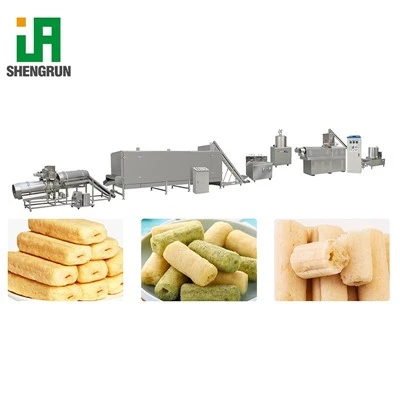
If you’re a snack food manufacturer looking to upgrade your cooling system, or you’re designing a new production line and want to make sure your cooling setup supports your quality and production goals, I’m here to help. We work with snack makers of all sizes, from small boutique bakeries to large national chip brands, to design, install, and maintain cooling systems that don’t just cool product—they improve your bottom line, reduce waste, and keep your customers coming back for more. Reach out to our team to talk through your specific needs, and we’ll put together a customized cooling solution that fits your line.
Fried Snacks Processing Machine References
- Food and Agriculture Organization of the United Nations. (2019). Cooling Technologies for Food and Agricultural Products. FAO Agricultural Services Bulletin.
- Trienekens, J. H., et al. (2021). Energy Efficiency in Food Processing: A Review of Cooling and Refrigeration Systems. Journal of Food Engineering.
- US Food and Drug Administration. (2020). Food Safety Guidelines for Thermal Processing and Cooling of Snack Foods. FDA Center for Food Safety and Applied Nutrition.
- Chen, X., & Zhang, H. (2018). Texture and Shelf Life Optimization of Crispy Snack Foods Through Controlled Air Cooling. Journal of Food Science and Technology.
- European Food Safety Authority. (2022). Hydrocooling and Indirect Cooling Methods for High-Moisture Snack Products. EFSA Journal.
Jinan Shengrun Machinery Co., Ltd.
We are one of the most professional snack food production line manufacturers and suppliers in China, featured by quality products and good price. Please rest assured to buy durable snack food production line for sale here from our factory. Contact us for more details.
Address: 1817 Rongce Center, No.3179 Qilu Avenue, Xingfu Street, Huaiyin District, Jinan City, Shandong Province
E-mail: sales@foodgm.cn
WebSite: https://www.food-gm.com/
