Hey there, it’s Jake from the side gusset pouch crew, and I get it—when you send out pouches that hold coffee, pet food, granola, or whatever, you want them to look perfect when they reach your customer. But side gusset pouches have these weird folded edges, right? The corners and crevices that regular wiping just doesn’t reach. I’ve gotten so many calls lately from new clients asking, “How the heck do I actually clean these things without messing up the gussets or the seals?” So let’s break this down like we’re chatting over a coffee (which, full transparency, is what I’m drinking right now) instead of reading a stuffy manual. Side Gusset Pouch
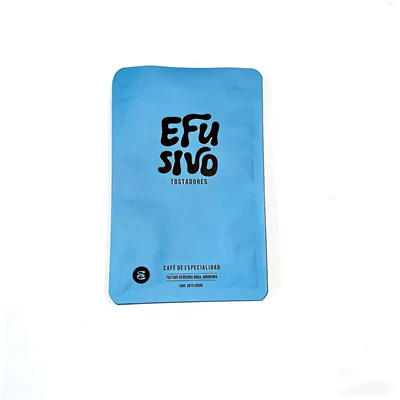
First off, let’s cut through the noise: side gusset pouches aren’t just regular flat bags. Those side folds are actually functional—they’re what let the pouch stand up on a shelf, so they need to keep their shape and seal tight. If you clean them wrong, you might get stuck gussets, loose edges, or even leaks later. That’s the last thing anyone wants, especially if you’re filling them with something like liquid pet food or fresh roasted coffee that needs a air-tight seal.
Let’s start with the basics—what not to do, because I’ve seen so many people mess this up. A while back, a small bakery reached out to us panicking because they tried power-washing their test pouches to get flour off, and half of them split along the gusset seams. Nope, that’s a hard no. High pressure is bad because it can force water into the tiny seams where the gussets are folded, leading to permanent weak points. Also, don’t use harsh chemicals like undiluted bleach or ammonia if you’re cleaning reusable pouches (wait, side gussets aren’t just for single use—we make a ton for refillable pet treats and bulk spices now) because those can eat through the plastic lining or leave a weird taste. And don’t scrub them with a steel brush, obviously—you’ll scratch the outer material and ruin that print you spent hours designing.
Now, let’s get into the actual methods, depending on if you’re cleaning single-use production test pouches, reusable bulk pouches, or even returns (yeah, some clients send back unused pouches that got dusty, we get it). Let’s start with the most common scenario: production line test pouches with light product residue, like loose coffee grounds or herb dust. This is super straightforward.
For light residue, I recommend a warm, mild soap bath. I’m talking dish soap—like Dawn or whatever you use at home, nothing fancy. Fill a tub or a large sink with water that’s lukewarm, not hot (hot water can warp the plastic, especially if it’s laminated with different materials). Add a drop or two of soap, swish it around, and then submerge the pouch. Don’t jam it in there—gently push it under so the water gets into the gusset crevices. Let it sit for 5 to 10 minutes, no more. If you leave it longer, the water might seep into the seal and cause it to peel. Then, take a soft-bristled brush—like a baby bottle brush, or the small brush you use for wine glasses—and gently work it around the side gussets. Those tiny folds get crumbs and dust, so you have to get in there slow. Don’t scrub hard, just work the brush back and forth a few times. Once that’s done, rinse it with lukewarm water, and pat it dry with a lint-free towel. If you’re in a hurry, you can leave it to air dry, but make sure you prop the gussets open a little so no water gets trapped. That’s key—trapped moisture will cause mold if you’re storing reusable pouches.
Now, if you’re dealing with heavier residue—like if a pouch held liquid, or got caked with something like peanut butter or chocolate—you need to step this up a notch. First, you want to pre-rinse the pouch with cold water first before you even use soap. Hot water can make sticky residue melt and set further into the plastic, which is the worst. Run cold water into the pouch, squish it around, and squeeze it out a few times to get as much of the gunk out as possible. Then do the same warm soap bath, but maybe let it sit for 15 minutes instead of 10. For really stubborn spots, you can use a little bit of baking soda mixed into the soap water—it’s gentle but abrasive enough to get sticky stuff off. Just make sure you rinse it really well after, so you don’t leave a baking soda taste if it’s a food-grade pouch. Another trick for those deep gusset crevices: use a cotton swab with a little bit of rubbing alcohol (isopropyl, 70% works fine) to get in there. Rubbing alcohol evaporates fast, so it won’t leave moisture, and it cuts through grease. Just don’t use too much, or you might damage any printed logos on the pouch’s outer side. I’ve had a client test this with our matte printed pouches, and it worked like a charm—no smudges, no damage.
Wait, what about if you’re cleaning pouches that have been sealed, and you need to open them to clean? Oh right, a lot of people don’t know that. If the pouch is unopened but has dust or residue on the outside, you can just wipe the outside, but if there’s residue inside, you have to open the seal. The good news is side gusset pouches have a pretty standard tear notch or seal area—just snip a small part of the top edge, not all the way open, so you can get your hand inside. Don’t use scissors near the gussets, though—you’ll accidentally cut a fold and weaken the seam. Once it’s open, you can do the cleaning steps above, then rinse it really well, and if you need to re-seal it, you can use a heat sealer (which most pouch clients already have for their production lines) or even a hair iron if you don’t have a commercial one, though I’d stick to the sealer.
Now, let’s talk about reusable side gusset pouches, because that’s a big growth area for us lately. A lot of small businesses are using these for bulk tea, refillable dog treats, even craft snacks, and they need to clean them over and over. The biggest mistake I see here is people putting them in the dishwasher. Wait—wait, hold on, I know dishwashers are easy, but most standard dishwashers have high heat and high pressure, and the spray arms can catch on the gusset folds, tearing them or warping the seals. If you really want to use a dishwasher, use the top rack only, on the lowest heat setting, and prop the gussets open so they don’t fold over. But honestly, hand washing is way better for reusable pouches. Also, don’t put them in the dryer—air dry only. Dryers have high heat that can break down the plastic lining, especially if it’s a compostable pouch (we make a lot of those too, for eco-friendly brands). Compostable side gussets are super popular now, and they clean a little differently—you can’t use harsh chemicals on them, obviously, so stick to the warm soap, and don’t scrub too hard, because the material is a little more delicate.
Another thing to mention: if you’re testing pouches for your own product before a big order, it’s good to test your cleaning method on a sample pouch first. We give out free samples all the time, so you don’t have to risk a full order. I’ve had a client test a new cleaning method that worked great on flat bags but tore their side gussets, and they caught it before they ordered 10,000 pouches. Always test first, that’s my rule.
Wait, what about storing clean pouches? Once you’ve cleaned them, make sure they’re completely dry before you stack them or seal them up. If there’s any moisture left in the gussets, they’ll get moldy, or the plastic will stick together. I like to hang them over a drying rack with clothespins on the edges, so the gussets stay open and air can get in all the folds. For storage, keep them in a cool, dry place, away from direct sunlight—sunlight can fade prints and break down the plastic over time.
Let me also address a common question: do different types of side gusset pouches need different cleaning? Yeah, a little bit. If you have a foil-lined pouch for coffee or snacks, it’s a little sturdier, so you can handle it a bit more. If it’s a matte plastic pouch or compostable one, it’s more delicate, so you need to take it slower, use gentler brushes, and avoid rubbing alcohol if it has matte print (it can leave streaks). If it’s a clear plastic pouch, you can use a little vinegar in the rinse water to get rid of cloudy spots from hard water—just one part vinegar to four parts water, rinse well, done.
I know this sounds like a lot, but really, it’s all about being gentle and not rushing. I’ve been in this pouch game for 7 years now, and I’ve messed up my fair share of test pouches—once I tried to power wash a batch of pet food pouches and ruined 200, that was a costly mistake. So trust me, skip the high pressure, skip the harsh chemicals, take your time with those gusset folds.
If you’re a brand owner looking for side gusset pouches for your coffee line, pet treats, snacks, whatever—we make all kinds, from single-use to reusable, foil-lined to compostable, with all sorts of prints. We also offer custom sizes, and we can send you free samples to test out not just the pouches, but also the best cleaning methods for your specific product. No fine print, no hoops to jump through—just shoot us a message to talk through your needs. Whether you’re a small startup ordering 1,000 pouches or a big brand needing 100,000, we’ve got you covered.
Before I sign off, let’s recap the quick do’s and don’ts so you don’t have to scroll back:
Do’s:
- Use warm, mild soap for light residue
- Hand wash with a soft brush for gusset crevices
- Rinse with cold water for sticky stuff
- Air dry fully, prop gussets open to avoid moisture
- Test methods on sample pouches first
Don’ts:
- Don’t use high pressure washers or dishwashers (usually)
- Don’t use harsh chemicals or steel brushes
- Don’t scrub too hard on delicate materials (matte, compostable)
- Don’t store pouches before they’re fully dry

That’s basically it. Cleaning side gusset pouches doesn’t have to be a headache—just a little patience and the right tools. If you have more questions, or you’re ready to order pouches, hit us up anytime. Now I’ve got to finish my coffee and get back to finishing up a custom order for a local coffee roaster, their pouches look amazing. Catch you later!
Side Gusset Pouch References:
- Packaging Association. Best Practices for Cleaning Flexible Packaging Materials. 2022.
- Sustainable Packaging Coalition. Care and Maintenance of Reusable Flexible Pouches. 2021.
- Food and Drug Administration. Guidelines for Cleaning Food Contact Packaging Materials. 2023.
- Journal of Flexible Packaging. Cleaning and Maintenance of Side Gusset Pouches for Commercial Use. 2020.
Shandong Lepu Digital Printing Co., Ltd.
Shandong Lepu Digital Printing Co., Ltd. is one of the most professional side gusset pouch manufacturers and suppliers in China, specialized in providing high quality customized service. We warmly welcome you to buy high-grade side gusset pouch made in China here from our factory.
Address: 500 meters north of the intersection of Huaihai 2nd Road and Xiwu Road, Junan County, Linyi City, Shandong Province
E-mail: sales01@lepupac.com
WebSite: https://www.lepupouch.com/
