Flexible PVC hoses are a common sight in various industries, known for their versatility and cost – effectiveness. As a supplier of flexible PVC hoses, I often get asked whether these hoses can be used in ventilation systems. In this blog, I’ll explore the technical aspects, advantages, and limitations of using flexible PVC hoses in ventilation applications. Flexible PVC Hose

Technical Properties of Flexible PVC Hoses
Flexible PVC hoses are made from polyvinyl chloride, a synthetic plastic polymer. This material gives the hoses several key properties that are relevant to ventilation systems.
Flexibility: One of the most significant features of PVC hoses is their high flexibility. This allows them to be easily bent and routed around obstacles in a ventilation setup. In complex industrial or commercial buildings, where ductwork needs to fit into tight spaces or follow irregular paths, the flexibility of PVC hoses offers a great installation advantage over rigid metal ducts.
Chemical Resistance: PVC is resistant to many chemicals, including some common cleaning agents and mild acids or alkalis. In ventilation systems that deal with air contaminated by certain industrial fumes or acidic vapors, the chemical resistance of PVC hoses can ensure their longevity and prevent corrosion – related failures.
Lightweight: Comparing with metal hoses, PVC hoses are extremely lightweight. This not only reduces the overall weight of the ventilation system but also makes installation easier and faster. Less weight also means less stress on the supporting structures, which can lead to cost savings in terms of structural reinforcement.
Insulation: PVC has some inherent insulating properties. In ventilation systems, this can help maintain the temperature of the air being transported. For example, in a heating or air – conditioning ventilation system, the insulation of PVC hoses can reduce heat loss or gain, improving the energy efficiency of the overall system.
Advantages of Using Flexible PVC Hoses in Ventilation Systems
Cost – Efficiency
Cost is always a major consideration in any engineering project. PVC hoses are generally much more affordable than metal or other high – performance hoses. The raw material cost of PVC is relatively low, and the manufacturing process is also less complex, resulting in a lower price point. For large – scale ventilation projects, such as in commercial buildings or industrial plants, using PVC hoses can significantly reduce the initial investment cost without sacrificing too much in terms of performance.
Ease of Installation
As mentioned earlier, the flexibility and lightweight nature of PVC hoses make them very easy to install. They can be cut to the required length on – site with simple tools, and connections can be made using standard fittings. This reduces installation time and labor costs. In addition, the ease of installation also means that modifications or expansions to the ventilation system can be carried out more quickly and easily in the future.
Noise Reduction
PVC hoses have some sound – absorbing properties. In ventilation systems, the movement of air through the ducts can generate noise. The use of PVC hoses can help dampen this noise, creating a quieter environment. This is particularly important in settings such as offices, hospitals, and residential buildings where noise levels need to be kept to a minimum.
Limitations and Considerations
Temperature Resistance
One of the main limitations of PVC hoses is their relatively low temperature resistance. PVC can start to deform or release harmful chemicals at high temperatures. In ventilation systems that deal with hot air, such as in industrial ovens or high – temperature drying processes, PVC hoses may not be suitable. The maximum continuous operating temperature for most flexible PVC hoses is around 60 – 80°C, depending on the specific formulation. If the temperature exceeds this limit, the hose can soften, lose its shape, and potentially pose a safety hazard.
Fire Resistance
Although some PVC hoses can be formulated to be flame – retardant, standard PVC is flammable. In ventilation systems where fire safety is a major concern, such as in public buildings or areas with a high fire risk, additional fire – protection measures need to be taken if PVC hoses are used. This may include installing fire – rated sleeves or using special fire – resistant PVC formulations, which can increase the cost.
Durability in Harsh Environments
In harsh outdoor environments or areas with high levels of abrasion, PVC hoses may not be as durable as some other materials. UV radiation from sunlight can cause PVC to degrade over time, leading to cracking and loss of strength. In addition, if the hoses are subject to physical abrasion, such as rubbing against sharp edges, the outer layer of the PVC can be damaged, reducing the hose’s lifespan.
Applications of Flexible PVC Hoses in Ventilation Systems
Despite their limitations, flexible PVC hoses are widely used in a variety of ventilation applications.
Residential Ventilation: In homes, PVC hoses are commonly used for bathroom and kitchen exhaust systems. They can be easily installed to connect the exhaust fans to the outside vents. The affordability, flexibility, and ease of installation make them a popular choice for DIY homeowners or small – scale plumbing and ventilation contractors.
Commercial Buildings: In office buildings, shops, and restaurants, PVC hoses are used for general ventilation and air – conditioning systems. They can be used to distribute fresh air or remove stale air from different areas of the building. The noise – reduction property of PVC hoses is particularly beneficial in these settings.
Industrial Ventilation: In some industrial processes where the temperature and chemical environment are within the acceptable range of PVC, these hoses are used for local exhaust ventilation systems. For example, in light manufacturing facilities, where there may be some dust or fumes, PVC hoses can be used to capture and remove the contaminants.
Conclusion
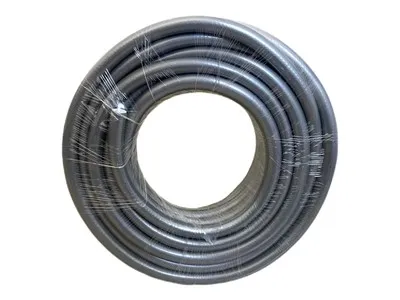
In conclusion, flexible PVC hoses can be a viable option for many ventilation systems. Their flexibility, cost – efficiency, ease of installation, and other beneficial properties make them suitable for a wide range of applications, especially in residential and some commercial and industrial settings. However, it’s crucial to consider their limitations, such as temperature and fire resistance, and the specific requirements of the ventilation system before making a decision.
Flat Hose If you’re in the market for flexible PVC hoses for your ventilation system, I’m here to help. I can provide high – quality PVC hoses that meet your specific needs. Whether you need a small quantity for a home project or a large – scale supply for an industrial application, I’m ready to assist you. Please feel free to contact me to discuss your requirements and get a quote. We can work together to find the best solution for your ventilation needs.
References
- "Polyvinyl Chloride (PVC) Handbook", Carl Hanser Verlag
- "Building Ventilation Design and Analysis", S. Duffie and J. Beckman
Weifang Xinzhiyuan Plastic Co., Ltd.
As one of the most experienced flexible pvc hose manufacturers and suppliers in China, we offer a wide range of products with superior quality. Please feel free to wholesale premium flexible pvc hose made in China here from our factory. We also accept customized orders.
Address: No. 700, Tongle Street, Economic Development Zone, Changle County, Weifang City, Shandong Province
E-mail: hua@xzypvchose.com
WebSite: https://www.pvchose-xzy.com/
