When it comes to low-voltage switchgear, understanding the installation dimensions is crucial for a successful electrical installation. As a low-voltage switchgear supplier, I’ve encountered numerous clients who are eager to know the exact installation dimensions to ensure seamless integration into their electrical systems. In this blog post, I’ll delve into the key aspects of low-voltage switchgear installation dimensions, providing practical insights and guidance. Low-Voltage Switchgear
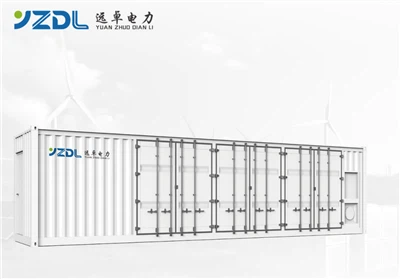
General Considerations for Installation Dimensions
Before we dive into the specific dimensions, it’s important to understand the general factors that influence the sizing of low-voltage switchgear. These factors include the electrical capacity, the type of circuit breakers and other components used, the number of compartments, and the overall layout of the switchgear.
The electrical capacity of the switchgear is directly related to its physical size. Higher-capacity switchgear typically requires more space to accommodate larger components and to ensure proper ventilation. For example, a switchgear designed to handle a high current load will need larger busbars and circuit breakers, which in turn increases the overall dimensions of the unit.
The type of circuit breakers used also plays a significant role in determining the installation dimensions. Different circuit breakers have different physical sizes and mounting requirements. For instance, air circuit breakers (ACBs) are generally larger than molded case circuit breakers (MCCBs) due to their construction and higher interrupting capacity. The choice between these two types will affect the overall footprint of the switchgear.
The number of compartments in the switchgear is another important consideration. Compartments are used to separate different electrical functions, such as incoming power, outgoing circuits, and control panels. More compartments mean more space is needed to house the individual components within each section. Additionally, the layout of these compartments can vary depending on the specific requirements of the installation, which can further impact the overall dimensions.
Standard Installation Dimensions
In the industry, there are some standard installation dimensions for low-voltage switchgear. However, it’s important to note that these dimensions can vary depending on the manufacturer and the specific design of the switchgear. The following are some common dimensions that you might encounter:
- Height: The height of low-voltage switchgear can range from around 1.8 meters to 2.2 meters. This range is designed to provide easy access to the components for maintenance and operation while also fitting within standard electrical room layouts. In some industrial applications where space is limited, smaller heights may be used, but this often requires careful consideration of the component arrangement and ventilation.
- Width: The width of switchgear units typically falls between 0.6 meters and 1.0 meters. This range allows for the installation of different numbers of circuits and components while maintaining a manageable footprint. For larger installations with multiple circuits, wider switchgear units may be required to accommodate all the necessary equipment.
- Depth: The depth of low-voltage switchgear usually ranges from 0.8 meters to 1.2 meters. This dimension is important for providing sufficient space for the internal wiring, busbars, and circuit breakers. Adequate depth also ensures proper ventilation and clearance for maintenance personnel.
These standard dimensions are based on industry practices and the need to balance functionality, safety, and ease of installation. However, it’s always advisable to consult with the switchgear manufacturer to obtain the exact dimensions for a specific product.
Customizing Installation Dimensions
While standard dimensions are available, many projects require customized low-voltage switchgear to meet specific requirements. This could be due to limited space in the electrical room, unique electrical load requirements, or specific integration needs with other equipment.
When customizing the installation dimensions, several factors need to be considered. Firstly, the electrical capacity and the type of components must still be met. For example, if the switchgear needs to handle a higher current load, the internal components will need to be sized appropriately, even if the overall dimensions are restricted. This may require creative design solutions, such as using more compact circuit breakers or innovative busbar arrangements.
Secondly, ventilation is a critical consideration when customizing dimensions. Switchgear generates heat during operation, and proper ventilation is essential to prevent overheating and ensure the longevity of the components. When reducing the size of the switchgear, it may be necessary to install additional ventilation fans or improve the ventilation ducts to maintain an adequate cooling effect.
Another important aspect is maintainability. Even with customized dimensions, the switchgear should still allow easy access to all components for maintenance and repairs. This may involve designing removable panels, adjustable mounting brackets, or providing sufficient working space around the critical components.
Impact of Installation Dimensions on Safety and Performance
The installation dimensions of low-voltage switchgear have a direct impact on both safety and performance. Incorrect dimensions can lead to safety hazards, such as overheating, short circuits, and electrical shock. For example, if the switchgear is not properly ventilated due to insufficient depth or width, the internal temperature can rise to dangerous levels, which can damage the components and increase the risk of a fire.
In terms of performance, the dimensions can affect the electrical characteristics of the switchgear. For instance, if the busbars are too close together due to limited space, there may be increased electrical interference and reduced power quality. This can lead to issues such as voltage fluctuations and malfunctioning of connected equipment.
Proper installation dimensions also ensure that the switchgear can be easily integrated into the existing electrical system. This includes compatibility with other electrical equipment, such as transformers, generators, and distribution panels. If the dimensions are not suitable, it may be difficult to make the necessary electrical connections and to ensure proper grounding.
Importance of Accurate Installation Dimensions in Project Planning
Accurate installation dimensions are essential in project planning. They help in determining the space requirements for the electrical room, the layout of the switchgear within the room, and the overall budget for the project.
During the initial design phase, architects and electrical engineers need to know the exact dimensions of the low-voltage switchgear to plan the electrical infrastructure. This includes deciding on the location of the switchgear, the routing of cables, and the design of the ventilation system. Incorrect dimensions can lead to costly redesigns and delays in the project.
In addition, accurate dimensions are necessary for procurement. When ordering the switchgear, the client needs to provide the correct specifications to the supplier to ensure that the delivered product fits the intended installation. This helps in avoiding issues such as returns and re-orders, which can also result in additional costs and delays.
Working with a Low-Voltage Switchgear Supplier
As a low-voltage switchgear supplier, I understand the importance of providing accurate installation dimensions to my clients. I work closely with each client to understand their specific requirements and to provide customized solutions if necessary.
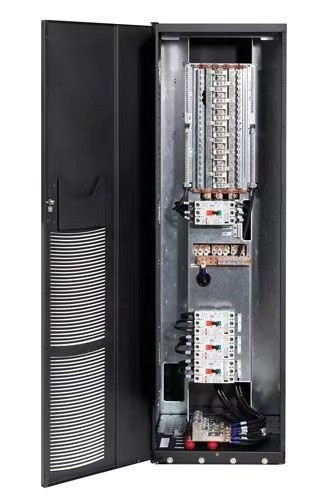
My team of experts is available to assist clients in the project planning phase. We can provide detailed technical drawings and specifications, including the installation dimensions, to help clients make informed decisions. We also offer on-site consultations to ensure that the switchgear is installed correctly and safely.
Marine Electrical Panel If you’re in the process of planning an electrical project and need low-voltage switchgear, I encourage you to reach out to me for a free consultation. Together, we can determine the best installation dimensions for your specific needs and ensure a successful installation. Whether you require standard dimensions or customized solutions, I’m committed to providing high-quality products and exceptional service.
References
- International Electrotechnical Commission (IEC). Low-voltage switchgear and controlgear.
- National Electrical Manufacturers Association (NEMA). Standards for low-voltage switchgear.
- Various industry whitepapers on low-voltage switchgear design and installation.
Yuanzhuo Electrical Equipment (Jiangsu) Co., Ltd.
We’re well-known as one of the leading low-voltage switchgear manufacturers and suppliers in China. We warmly welcome you to wholesale high quality low-voltage switchgear at competitive price from our factory. If you have any enquiry about cooperation, please feel free to email us.
Address: Group 8, Chengdong Village, Fucheng Sub-district Office, Funing County
E-mail: markcheng1358@126.com
WebSite: https://www.yzdlchina.com/
